
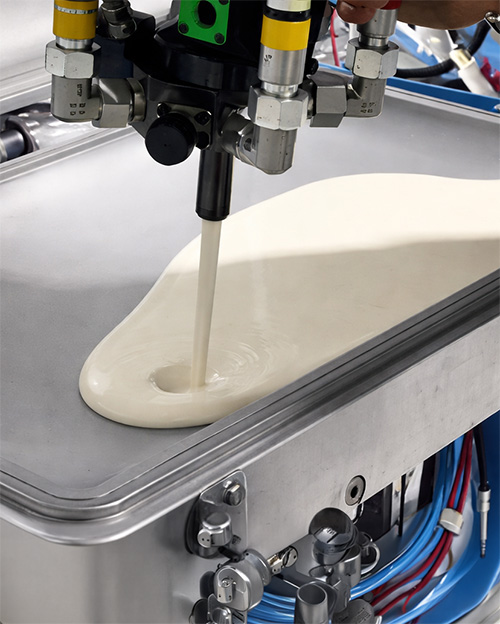
Urethane foam mixing guns are purpose-built dispense tools used to apply two-component polyurethane foam materials with precise mix quality and accurate control over foam output. These guns integrate metered components, internal mix chambers, and ergonomic controls to support a wide range of foam applications — from insulation and core fill to sealing and structural foam tasks.Whether used for insulation, assembly, or production applications, properly configured mixing guns help ensure homogeneous blending and consistent foam performance directly at the point of dispense.
Engineering Engagement
Ready to Engineer Your New System?
Kirkco supports confidential engineering engagements under NDA. Discuss your application requirements with our team and receive a system architecture tailored to your process.

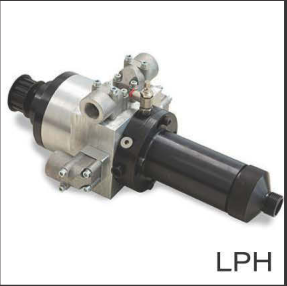
Kirkco engineered a Polyurethane Foam Systems Quality Framework to govern high-performance foam processing systems across industrial manufacturing environments. This architecture establishes repeatable process control, material integrity, throughput stability, and lifecycle scalability for polyurethane foam production and dispensing systems.
Polyurethane foam manufacturers face increasing pressure to improve yield, reduce scrap, stabilize throughput, and support a wider range of product variants. Variability in mixing quality, temperature control, and material handling introduces significant production and quality risk. A standardized foam systems architecture is required to ensure consistent outcomes at scale.
Polyurethane foam processing encompasses high-pressure and low-pressure metering, continuous and discontinuous production, and molded or panel-based part geometries. The framework governs raw material conditioning, ratio control, mixing quality, reaction management, and dispense or laydown consistency.
The foam systems platform utilizes precision metering technologies, including high-pressure piston systems and low-pressure gear or pump-based systems. Mixing heads, laydown devices, molds, and conveyor-based processes are selected based on chemistry, output rate, and production configuration.
PLC-based control architectures manage material temperatures, metering ratios, output rates, and safety interlocks. Validation procedures confirm foam density consistency, cell structure quality, adhesion performance, and repeatable production behavior across shifts and product variants.
This framework governs multiple polyurethane foam implementations, including high-pressure metering systems, continuous panel production lines, discontinuous molded foam systems, and foam recycling or regrind integration processes.