
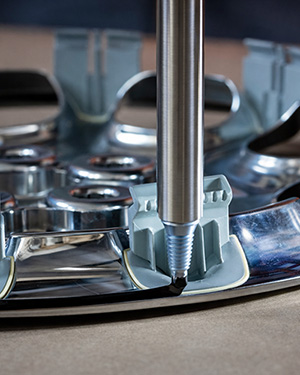
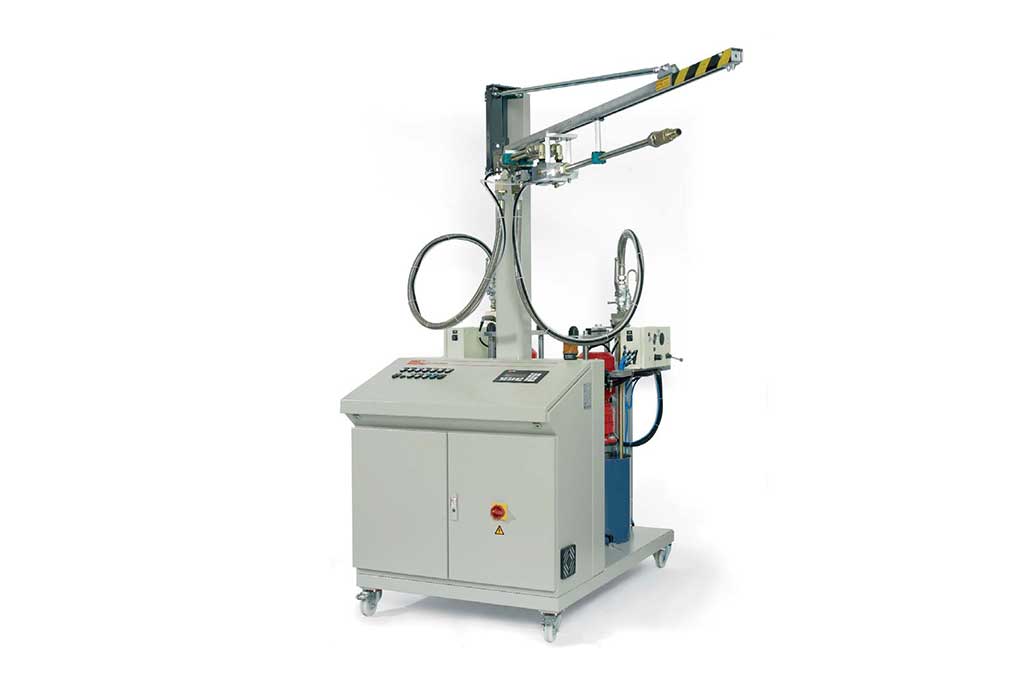
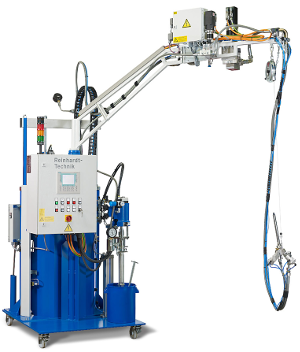
Meter, mix, and dispense demanding putty and paste materials with a system engineered around your chemistry, viscosity, ratio, and production goals.
Kirkco designs industrial dispensing equipment for high-viscosity materials that are difficult to move, meter, mix, and apply consistently by hand. Our putty and paste systems support application-specific configurations for adhesive dispensing, sealing, modeling, tooling, and other production processes where material control directly affects throughput, finish quality, and rework.
Engineering Engagement
Ready to Engineer Your Next System?
Kirkco supports confidential engineering engagements under NDA. Discuss your application requirements with our team and receive a system architecture tailored to your process.
A successful putty and paste system must account for more than nominal viscosity. Kirkco can evaluate the variables that determine whether a system will deliver a stable and maintainable process:
Determines pump selection, supply requirements, pressure behavior, and the risk of material degradation or inconsistent flow.
Determines whether the process needs a single-material dispensing architecture or controlled ratio metering and mixing.
Determines whether the process needs a single-material dispensing architecture or controlled ratio metering and mixing.
Determines valve, hose, nozzle, and operator or robot interface requirements.
Affects drum handling, ram or pump configuration, replenishment, and production uptime.
Helps define flow-rate requirements, duty cycle, automation level, and process controls.
Kirkco engineered a polyurethane bonding architecture for elevator panel and cab assemblies where structural integrity, vibration damping, and cosmetic finish are critical to passenger safety and long-term performance. The system was designed to deliver consistent bond lines across dissimilar substrates while supporting repeatable production workflows.
Elevator manufacturers face stringent safety standards, aesthetic requirements, and warranty exposure. Manual adhesive application introduced variability in bond thickness and cure behavior, increasing the risk of rework and inconsistent panel performance over the service life of the equipment.
The application required precise dispensing of one- or two-component polyurethane adhesives with controlled bead geometry and predictable open time. Adhesive placement needed to accommodate metal skins, composite panels, and internal stiffeners without squeeze-out or void formation.
The bonding platform utilizes bulk-fed PU metering equipment configured for stable ratio control and smooth material flow. Dispensing valves are selected to provide clean cutoff and repeatable start-stop behavior, enabling consistent application across panel sizes and configurations.
PLC-based controls manage dispense parameters, timing, and interlocks to ensure repeatable adhesive output. Process settings were validated to maintain consistent bond performance across multiple elevator models and production shifts.
The architecture reduced material waste, improved cosmetic consistency, and stabilized cycle times. Production throughput increased by eliminating manual variability and reducing downstream inspection and rework.