
Meter, mix, and dispense high-viscosity tooling and modeling pastes with an equipment architecture built around your material, surface, and production requirements.
Kirkco designs dispensing systems for pasty two-component materials used in composite tooling, modeling, pattern development, sealing, and related manufacturing processes. Our equipment is engineered to support controlled material delivery from standard containers, consistent blending, smooth application, and repeatable production workflows.
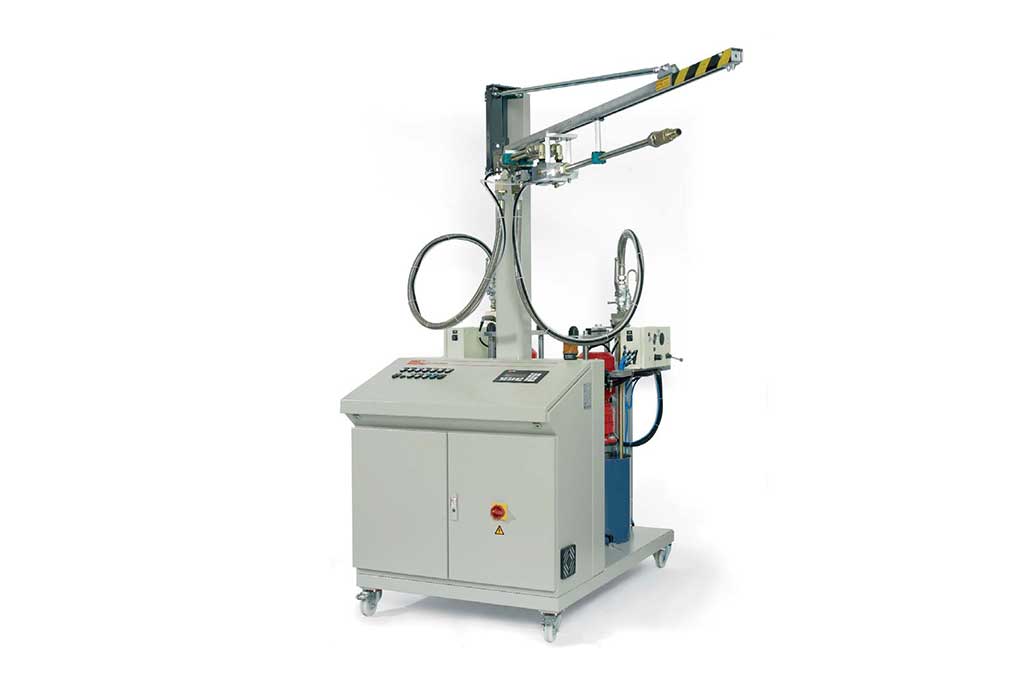
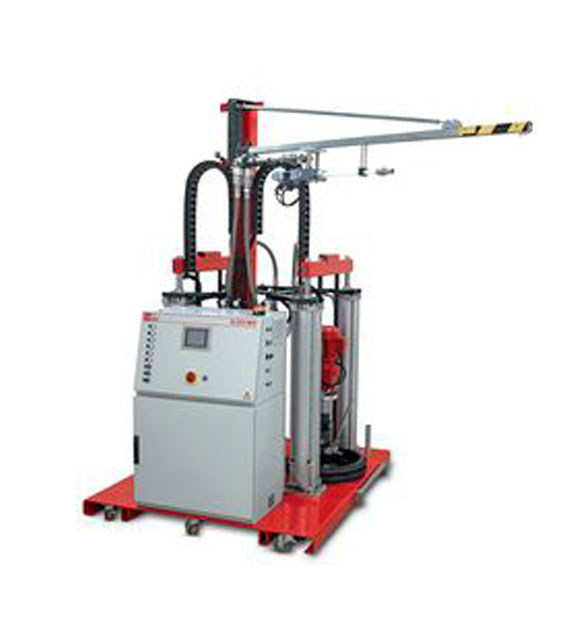
The tooling paste portfolio includes the GP 401 TPD and Eldo-Mix 401T & Tooling Mix, systems identified by Kirkco for pasty two-component materials such as polyurethanes, epoxy resins, and microball-filled materials.
Custom Engineered Solutions With NDA
Gear-pump and Static-mixing Architecture
Contact Kirkco to discuss application-specific equipment for controlled component delivery and consistent blend quality.
A tooling paste system should be selected around the interaction between the material and the finished tool or model. Kirkco can help evaluate the following variables before recommending a configuration:
Determines component compatibility, wetted materials, seals, cleaning method, and mixer selection.
Affects material feeding, pump load, pressure, flow stability, and risk of degradation.
Can affect settling, shear sensitivity, pressure behavior, and finished density.
Determines the relative metering rates and influences cure behavior and final material performance.
Influences continuous-flow strategy, mixer selection, start-stop behavior, and cleaning requirements.
Helps determine flow rate, dispense reach, hose routing, nozzle selection, and operator or automation interface.
Affects bead control, deposit consistency, overlap strategy, and downstream finishing requirements.
Determines whether the system should draw from pails, drums, or another supply arrangement.
Helps define equipment duty cycle, replenishment needs, maintenance expectations, and automation level.
High-viscosity and filled materials may respond differently to pressure, shear, temperature, dwell time, and pump design. Kirkco’s published tooling paste page emphasizes gentle material feeding and low material degradation through gear-pump design. The intended process benefit is to deliver material in a controlled manner while preserving the application characteristics required by the formulation.
The system should be validated with the actual material under representative conditions. A proper engineering review should confirm component ratio, temperature range, filler behavior, static mixer selection, flow rate, pressure limits, and the expected result on the intended tool or model surface.