

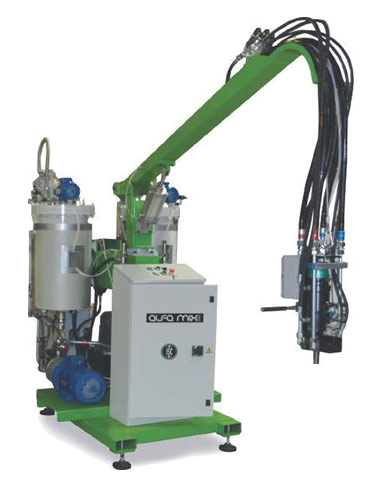
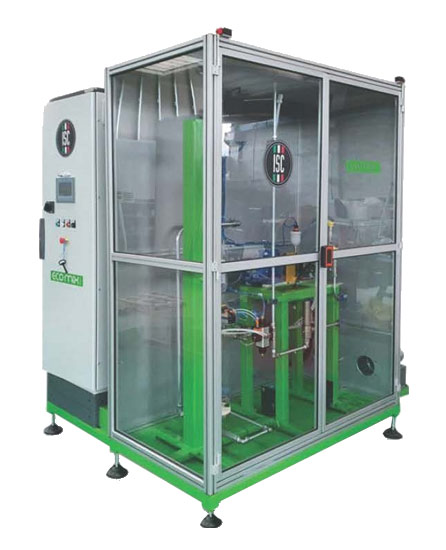
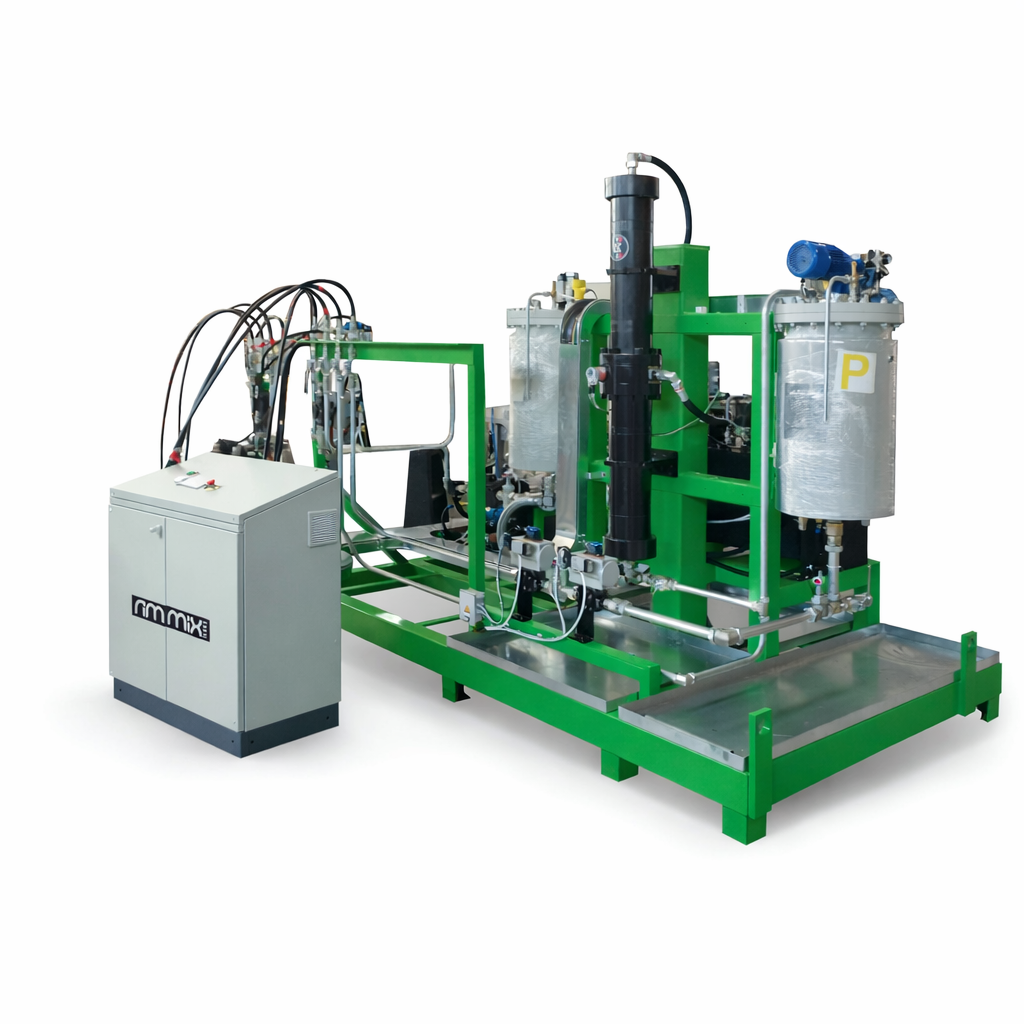
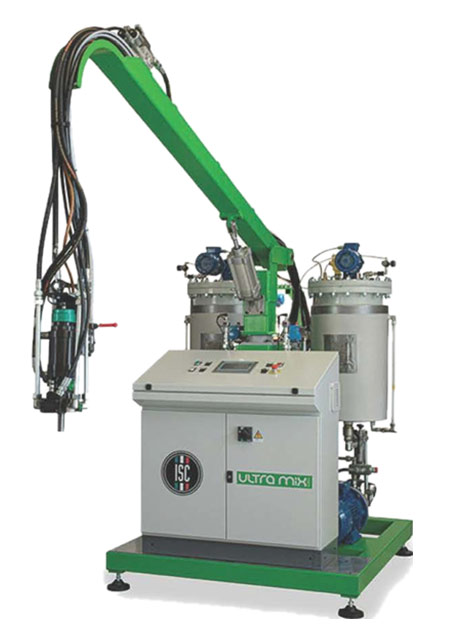
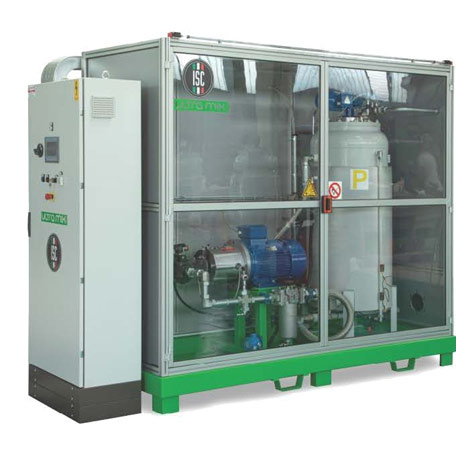
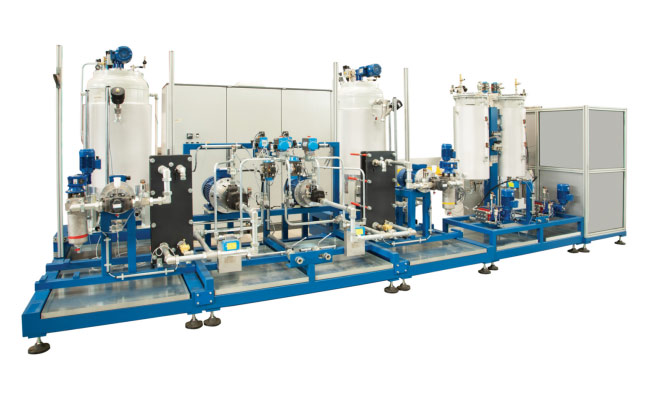
High-pressure metering is the industrial standard for the precise delivery, ratio control, and mixing of two-component polyurethane materials. Engineered for demanding production environments, Kirkco’s high-pressure polyurethane metering systems ensure accurate stoichiometric ratios, repeatable shot sizes, and perfectly homogeneous mixing before discharge.
Whether you are manufacturing rigid structural foams, continuous elastomers, or microcellular NVH dampening components, our architectures combine robust high-pressure piston pumps, closed-loop VFD/servo controls, and advanced impingement mixing heads to stabilize your throughput and eliminate material variability.

NDA Agreements available
Ready to Engineer Your New System?
Kirkco supports confidential engineering engagements under NDA. Discuss your application requirements with our team and receive a system architecture tailored to your process.
Kirkco engineered high-pressure polyurethane metering architectures for demanding foam production environments requiring precise ratio control, consistent mixing quality, and stable output at industrial throughputs. These systems are designed for continuous, repeatable foam production with tight control over material reaction and part quality.
The metering platform utilizes high-pressure piston pumps with closed-loop ratio control and temperature-managed material supply. High-performance mixing heads provide intensive component mixing immediately prior to dispense, minimizing residence time and ensuring consistent foam reaction. PLC-based control architectures manage pump synchronization, ratio monitoring, material temperatures, and safety interlocks.
Manufacturers utilizing polyurethane foam face increasing pressure to improve part consistency, reduce scrap, and maintain throughput as formulations and product geometries evolve. Variability in ratio control, temperature stability, or mixing quality can result in density variation, surface defects, and compromised mechanical performance.
This application is governed by Kirkco’s Polyurethane Foam Systems Quality Framework, which standardizes process control, mixing quality, validation methodology, and lifecycle scalability across foam production systems. Implementation improves foam quality consistency, stabilizes production throughput, and reduces scrap by eliminating ratio and mixing variability as failure modes.
When anti-vibration and dampening components are produced using polyurethane elastomers, microcellular foams, or foam-in-mold processes, high-pressure polyurethane metering systems provide the required ratio control, temperature stability, and shot repeatability. This manufacturing pathway ensures consistent dynamic response, reduced variation in stiffness, and improved fatigue life for critical automotive and marine applications.