
Kirkco offers single-component dispensing valves for processing materials ranging from low-viscosity fluids to pasty media. Valve selection is based on the material, supply pressure, required flow or shot behavior, application geometry, cycle rate, automation level, and need for clean cutoff or monitoring.
Precision lubrication is essential to maintaining the performance and lifespan of modern industrial equipment. By combining high-viscosity pumping technologies, accurate metering valves, automated control systems, and contamination-free material handling, lubrication architectures deliver reliable and repeatable lubricant supply across complex industrial environments.
Our lubrication and grease metering systems support demanding applications where equipment reliability and operational continuity are critical.
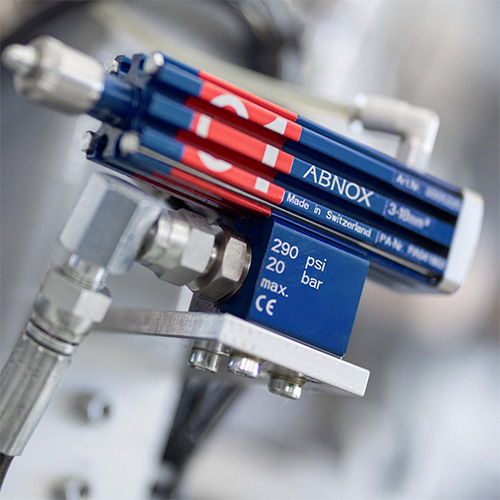

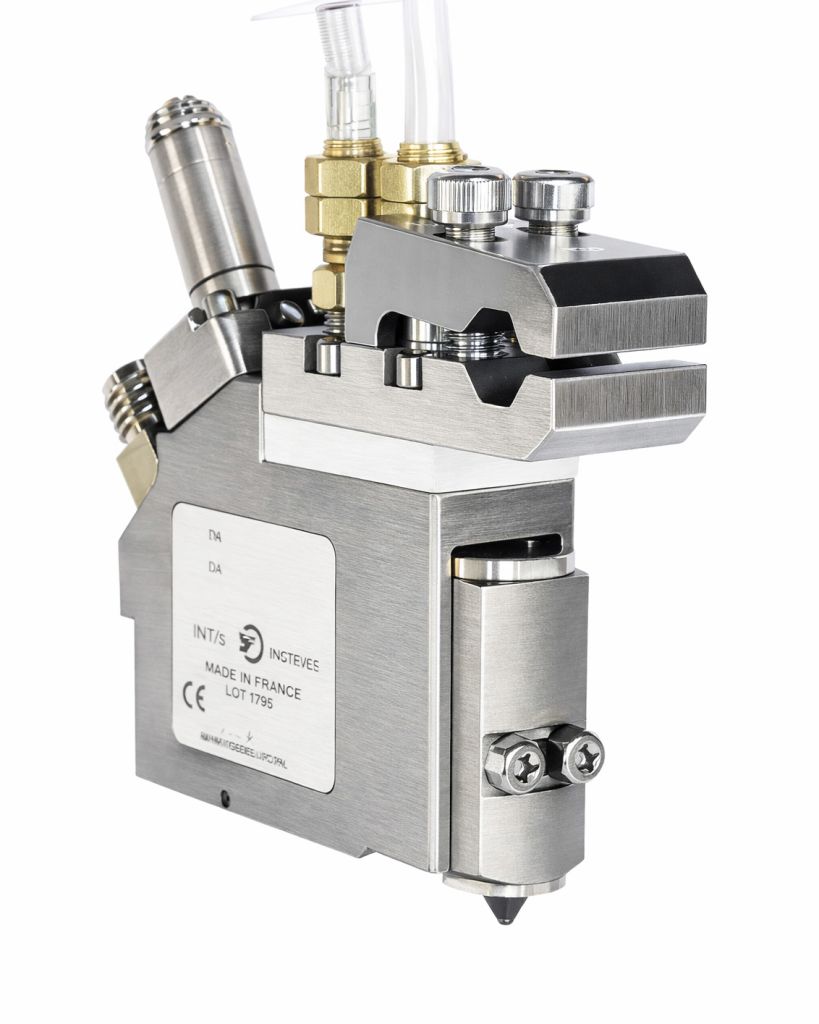
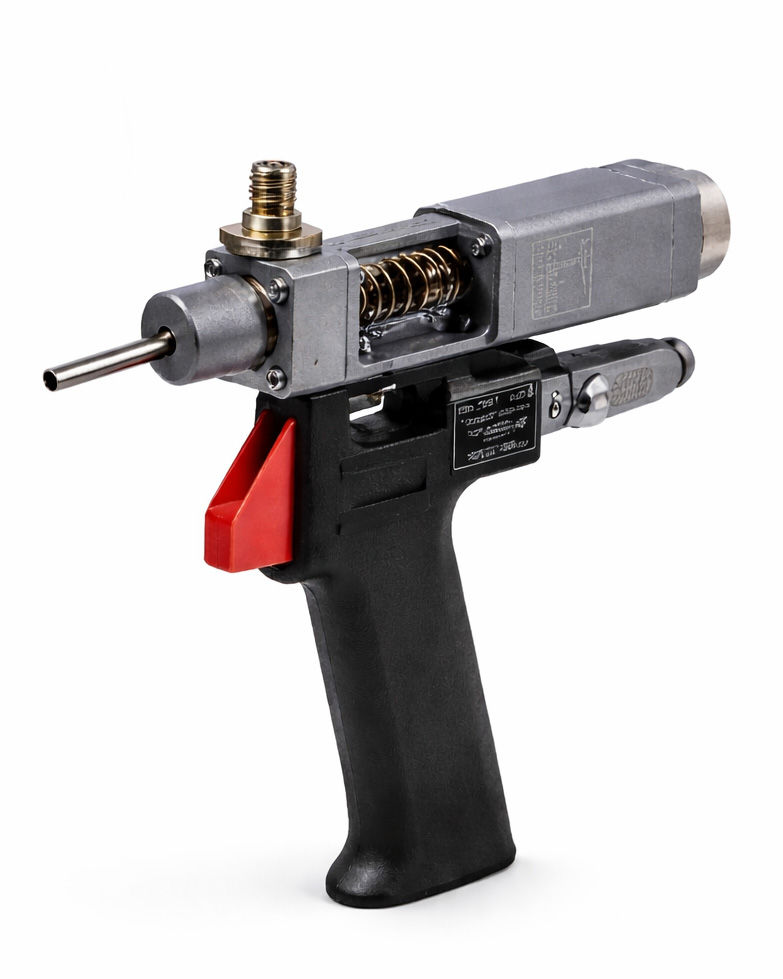
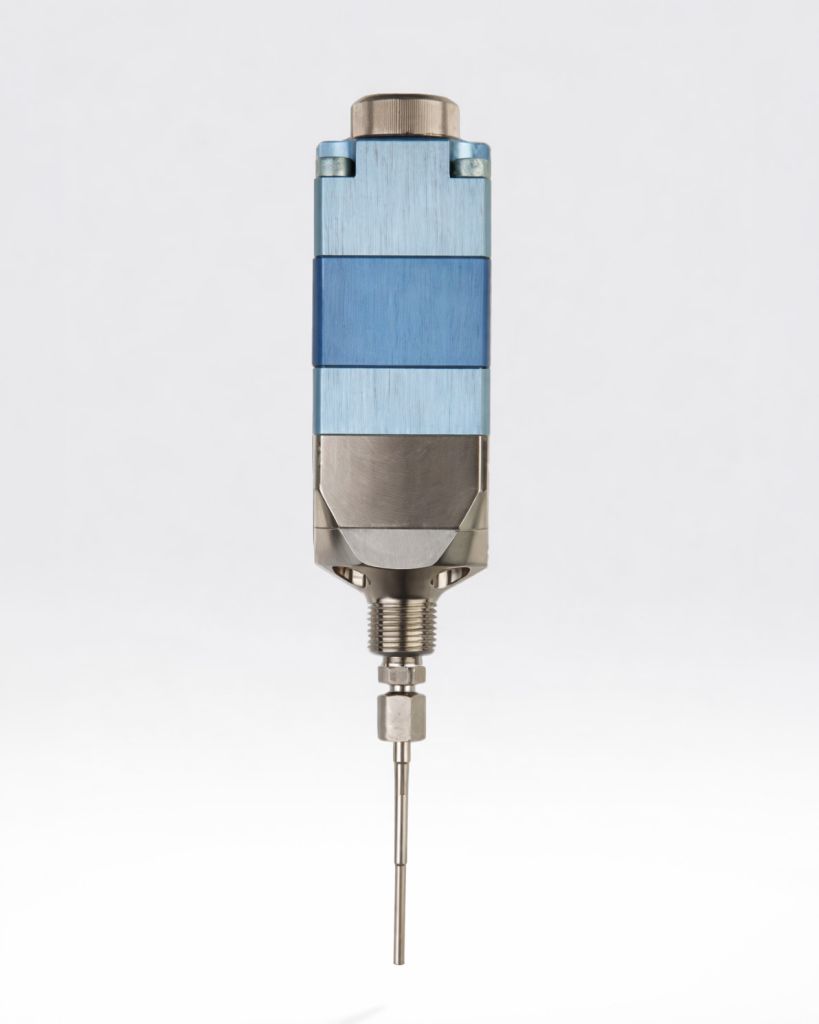
In time-pressure dispensing, output is influenced by material pressure, valve-opening time, material behavior, and the geometry of the valve, nozzle, and delivery path. Needle, diaphragm, handheld, shot, and high-speed dispensing valves use variations of this principle for continuous, intermittent, or pulsed application. Time-pressure dispensing is useful when the process needs controllable flow, clean starts and stops, continuous beads, manual application, spray or contactless delivery, or flexible output adjustment. Because material properties and pressure conditions influence the result, the complete supply and application path must be evaluated together.
Needle and chamber metering valves operate on the volumetric principle. In each cycle, the metering chamber displaces a defined volume after a trigger signal. The shot volume can be adjusted within the valve’s available range, supporting repeatable dot or shot application.
This is a separate product class from the needle dispensing valve described above. If a fixed volumetric dose is the primary requirement, review Kirkco’s lubrication metering options and discuss the material and application with an engineer.
Kirkco engineered a lubrication quality framework to ensure repeatable, contamination-controlled, and volume-accurate lubrication across precision mechanical systems. This architecture elevates lubrication from a maintenance task to a controlled manufacturing and lifecycle process aligned with reliability, uptime, and asset protection objectives.
Manufacturers of precision mechanical systems face significant lifecycle risks due to inconsistent lubrication practices. Under- or over-lubrication, contamination, and missed lubrication events contribute to premature wear, unplanned downtime, and warranty exposure. A standardized lubrication architecture was required to stabilize performance across production and service environments.
The lubrication process required precise volumetric delivery of grease or oil at defined intervals and locations. Requirements included repeatable shot accuracy, clean material handling, contamination prevention, and compatibility with a range of viscosities and lubrication points.
The lubrication platform is based on centralized or distributed metering systems utilizing precision pumps and metering valves. Bulk material supply, short delivery paths, and controlled dispense logic ensure consistent lubrication volumes while minimizing waste and environmental exposure.
PLC-based controls manage lubrication timing, volume, and sequence. Validation procedures confirm delivered lubricant volume, cycle completion, and system readiness, ensuring repeatable lubrication performance across assemblies and operating conditions.
Implementation of the lubrication quality framework reduced bearing and actuator failures, stabilized equipment performance, and improved overall system uptime. Lubrication variability was eliminated as a root cause of premature wear.
The needle and chamber metering valves operate on the volumetric principle (dot application) here each cycle means that the content of the valve chamber are completely emptied upon a trigger signal. This has the advantage of high repetition accuracy and flexibility thanks to the possibility of volume adjustment.
On the other hand, dispensing spray and shot valves work on different principles, where the discharged quantity is defined by material pressure and valve needle opening time. This allows for the application of small quantities from a distance as well as continuous application of any material amount.